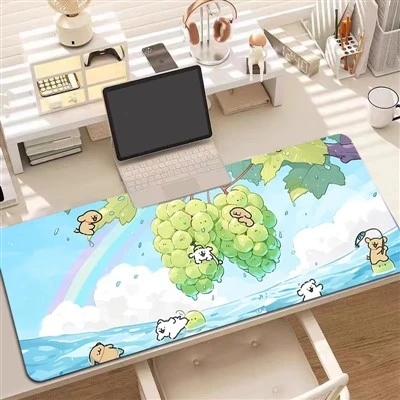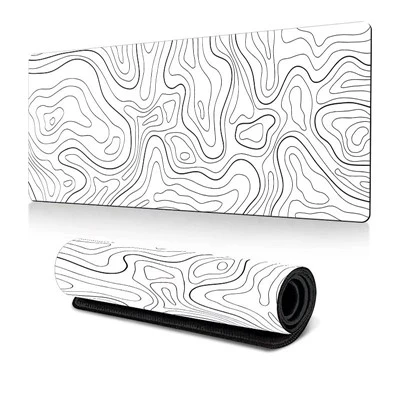

Floor mats are made from a wide range of materials, including nylon, polyester, cotton, microfiber, rubber, coir, diatomaceous earth, aluminum alloy, PVC, and polyurethane (PU). Their primary functions are to effectively scrape dirt and grit from the soles of shoes and to absorb moisture and dust, thereby keeping indoor floors clean and reducing the burden of housework; additionally, anti-fatigue mats can alleviate foot and lower back strain caused by prolonged standing. Certain rubber or PVC mats offer superior performance characteristics, such as high abrasion resistance, compressive strength, and resistance to high temperatures and UV radiation.
Installing floor mats can enhance aesthetic appeal, while personalized mats can elevate a company's image. In traditional Chinese culture, red mats symbolize celebration and good fortune; they are frequently used during festivals-such as the Spring Festival-or special occasions to create a "path of good fortune" that conveys auspicious wishes. As consumer preferences evolve, increasing importance is being placed on features such as ease of cleaning, slip resistance, stability (resistance to shifting), and the use of eco-friendly, odorless materials.