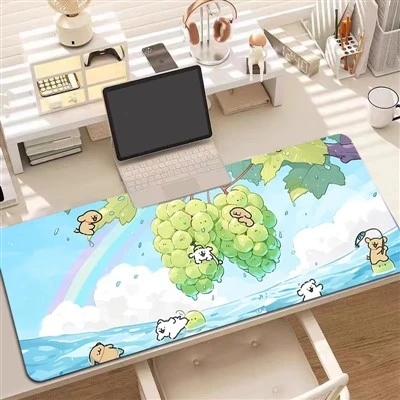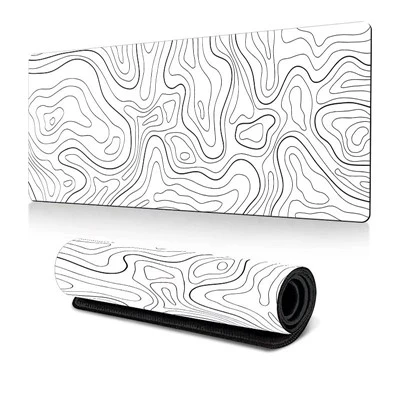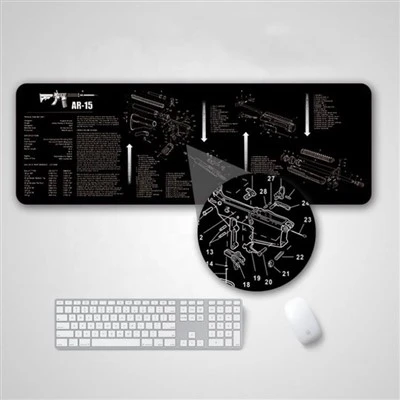

Some traditional chemical fiber or plush mats suffer from poor stain resistance, a tendency to trap dirt and grime, and difficulty in cleaning; they are prone to harboring bacteria and dust mites, lack innovative designs, and easily shift out of place. Chemical fiber mats readily absorb oil stains, while pure cotton mats absorb water and dust but are difficult to spin-dry after washing.
Aluminum alloy mats are durable, easy to clean, and resistant to slipping or shifting. Diatomaceous earth mats offer strong water absorption, quick drying, and a comfortable feel underfoot. PVC mats provide excellent slip resistance, oil resistance, and ease of cleaning. Some mats feature high-quality rubber bases that offer slip resistance and stain resistance, eliminating the need for frequent washing.
Mats designed for specialized applications have also appeared on the market. For instance, anti-fatigue mats-featuring PVC surfaces with resin foam cores or made entirely of PU (polyurethane)-offer elasticity, resilience, and cushioning to relieve foot pressure, making them ideal for workstations requiring long periods of standing. Other functional mats include anti-static, insulating, and UV-resistant outdoor varieties.
There is growing market interest in the eco-friendliness and health aspects of mat materials, such as the requirement for them to be odor-free. Material quality determines the scent; high-quality mats may have a faint rubber odor that dissipates naturally after a period of use.