

Yoga mats vary in terms of safety and environmental impact depending on the material. TPE (Thermoplastic Elastomer) is eco-friendly and biodegradable, containing no chlorides or heavy metals, while natural rubber is an environmentally friendly, natural material. PVC mats are somewhat less eco-friendly and may contain substances harmful to human health. Compliant yoga mats that meet safety standards regarding chemical content are generally safe-even for use as play mats for crawling infants-whereas substandard products may contain harmful chemicals (such as phthalates or polycyclic aromatic hydrocarbons) that can cause respiratory or gastrointestinal issues if inhaled or ingested (e.g., through chewing). Regulations for disposing of used yoga mats vary; they may be classified as "residual waste" or "recyclables," so disposal should follow the latest local waste management guidelines. Shared yoga mats pose a risk of cross-infection if not properly cleaned and disinfected; it is recommended to bring your own mat or use a yoga towel as a barrier. When cleaning, follow the instructions for any disinfectant used to avoid excessive application, which could corrode the mat.
Safety and Environmental Aspects of Yoga Mats
Popular Products
-
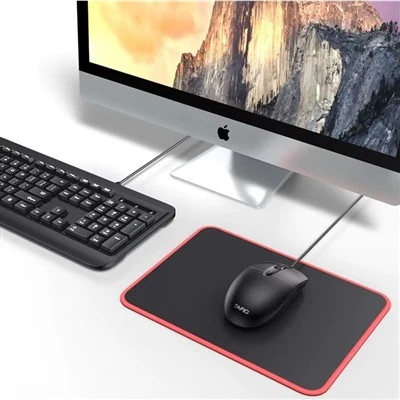
![Non-Slip Gaming Mouse Pad]() Non-Slip Gaming Mouse PadBlack Stitched Edge Thick Mouse Pad Non Slip Rubber Base for Office Gamingread more
Non-Slip Gaming Mouse PadBlack Stitched Edge Thick Mouse Pad Non Slip Rubber Base for Office Gamingread more -
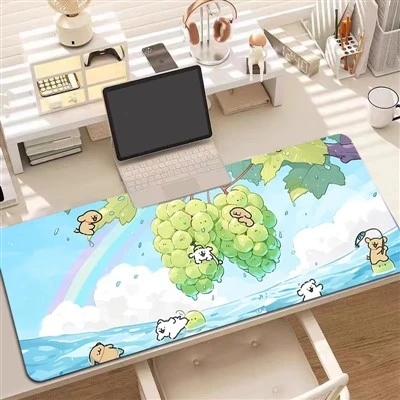
![Cartoon Dog Mouse Pad]() Cartoon Dog Mouse PadBrighten up your workspace with our charming Cartoon Dog Pattern Mouse Pad. Featuring an adorable, high-resolution...read more
Cartoon Dog Mouse PadBrighten up your workspace with our charming Cartoon Dog Pattern Mouse Pad. Featuring an adorable, high-resolution...read more -
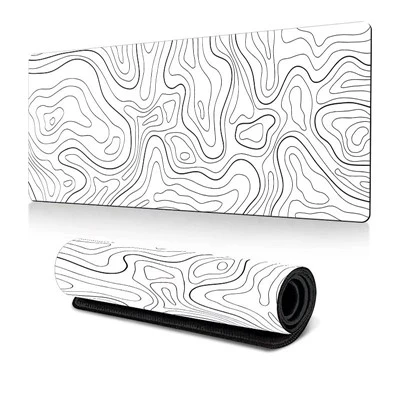
![Large Non-Slip Mouse Pad]() Large Non-Slip Mouse PadA desk mat does more than protect your surface—it defines your workspace. Our Large Abstract Texture Non-Slip Desk...read more
Large Non-Slip Mouse PadA desk mat does more than protect your surface—it defines your workspace. Our Large Abstract Texture Non-Slip Desk...read more -
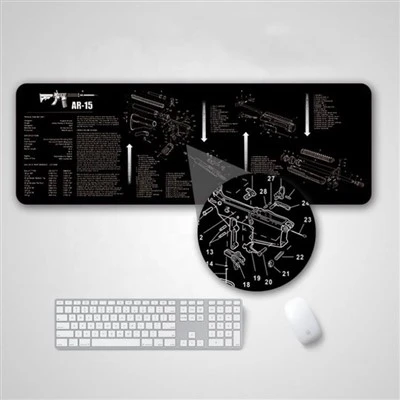
![Rubber Mouse Pad]() Rubber Mouse PadFor gaming events, esports teams, or brand promotions, having the right gear makes a lasting impression. Our Custom...read more
Rubber Mouse PadFor gaming events, esports teams, or brand promotions, having the right gear makes a lasting impression. Our Custom...read more
Send Inquiry