

Mouse pads are primarily categorized into six material types: traditional fabric, specialized fabric, synthetic resin, glass, metal, and coated surfaces. Each material possesses unique characteristics; below, we analyze and evaluate them based on the technical criteria mentioned earlier.
Most mouse pads are made from rubber or fabric. These materials offer higher surface friction, facilitating the movement and positioning of mechanical mice; additionally, they are affordable, portable, and enjoy high sales volumes-particularly in the promotional/advertising mouse pad market.
To complement modern optical mice, manufacturers have introduced mouse pads made of materials like glass and aluminum. These feature specialized surface textures that enhance light reflection sensitivity and tactile feel, while also being easy to clean. However, these materials can accelerate mouse wear and may produce faint noise during movement. When selecting one, ensure the surface is flat and avoid products with burrs or uneven textures. Also, consider the product's resistance to deformation; for instance, some thin pads made entirely of raw rubber are prone to permanent warping during use. Silicone mouse pads are another popular option.
Fabric: As is well known, fabric mouse pads are a mainstream product with the widest range of applications. They are currently the most widely used type of mouse pad, generally falling into two categories: traditional fabric pads and coated fabric pads. Standard fabric mouse pads typically consist of a finely woven fabric layer bonded to a rubber base, with a herringbone-patterned natural rubber backing to provide anti-slip functionality. Because corporate product images and contact details can be applied via dye-sublimation printing, they serve as effective promotional tools.
Silicone: Silicone mouse pads are manufactured from organosilicon materials through a physical process, inheriting all the properties of the base material. Organosilicon combines the characteristics of both inorganic and organic materials, offering fundamental properties such as low surface tension, a low viscosity-temperature coefficient, high compressibility, and high gas permeability. It also boasts excellent attributes including resistance to extreme temperatures, electrical insulation, oxidative stability, weather resistance, flame retardancy, water repellency, corrosion resistance, non-toxicity, lack of odor, and physiological inertness. Due to the unique structural characteristics of silicone materials, they possess a certain capacity to absorb radiation. Silicone mouse pads are easy to clean and offer a long service life; they were specifically developed for use with optical mice.
Plastic: Plastic mouse pads are a top choice for gamers selecting peripherals. Since pads that are either too slippery or too resistant hinder precise, small-scale movements, the need for rapid movement often conflicts with the need for precise stopping; plastic mouse pads offer an excellent compromise between these performance factors.
Plastic mouse pads deliver outstanding smoothness, offer stable control, and provide high tracking precision. They are also very convenient to maintain, as they can simply be washed with water when dirty. Their biggest drawback is poor durability regarding surface wear-a fact well-known to gamers who use low sensitivity settings and make broad, sweeping mouse movements. Glass and metal mouse pads represent some of the earliest high-end gaming options, and both materials offer a very similar feel-specifically, an exceptionally smooth glide. Due to the inherent properties of the materials, they have largely disappeared from the mainstream market, though some domestic manufacturers still produce metal mouse pads.
Glass and metal mouse pads feel very similar, sharing a characteristic smoothness and fine texture. Most gamers know that these materials are unsuitable for those with sweaty hands, as perspiration on the surface can easily cause tracking errors (such as skipped frames).
It is also worth noting that using thick mouse feet on glass or metal pads can lead to tracking issues. In terms of durability, both materials excel, though glass pads generally offer superior wear resistance compared to metal ones.
The downsides of glass and metal mouse pads include their lack of portability and high price points; consequently, they are typically purchased only by dedicated gamers or peripheral enthusiasts. There is a wide variety of mouse pads available, ranging from silicone, EVA, rubber, glass, and genuine leather models to those featuring wrist rests, photo frames, liquid-filled designs, or ultra-thin PP/PVC construction. They are generally colorful and affordable, and come in styles tailored for specific uses-such as promotional, cartoon, novelty (doll-shaped), and photo-display pads. Truly, the selection is vast and diverse; if you are still undecided about which type to choose, why not take a quick trip to a computer market to browse the options?
Classification Of Mouse Pad Materials
Previous
How To Clean Mouse PadsPopular Products
-
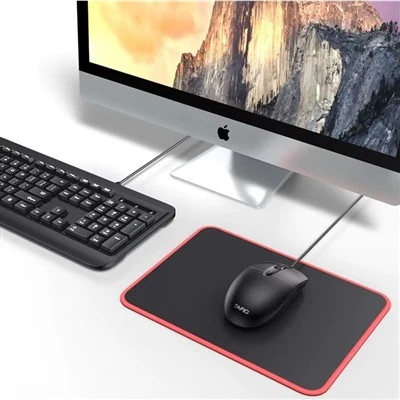
![Non-Slip Gaming Mouse Pad]() Non-Slip Gaming Mouse PadBlack Stitched Edge Thick Mouse Pad Non Slip Rubber Base for Office Gamingread more
Non-Slip Gaming Mouse PadBlack Stitched Edge Thick Mouse Pad Non Slip Rubber Base for Office Gamingread more -
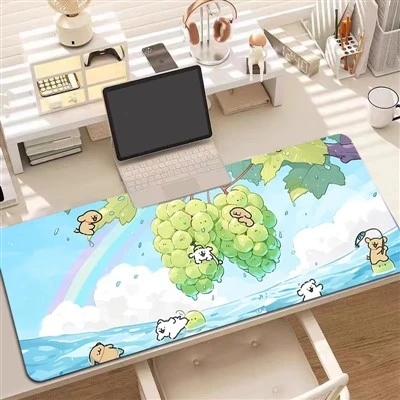
![Cartoon Dog Mouse Pad]() Cartoon Dog Mouse PadBrighten up your workspace with our charming Cartoon Dog Pattern Mouse Pad. Featuring an adorable, high-resolution...read more
Cartoon Dog Mouse PadBrighten up your workspace with our charming Cartoon Dog Pattern Mouse Pad. Featuring an adorable, high-resolution...read more -
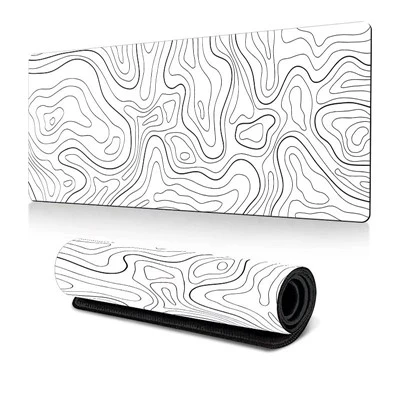
![Large Non-Slip Mouse Pad]() Large Non-Slip Mouse PadA desk mat does more than protect your surface—it defines your workspace. Our Large Abstract Texture Non-Slip Desk...read more
Large Non-Slip Mouse PadA desk mat does more than protect your surface—it defines your workspace. Our Large Abstract Texture Non-Slip Desk...read more -
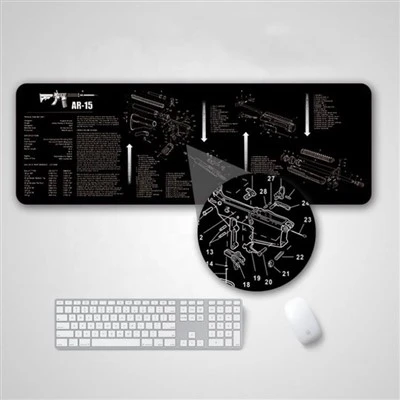
![Rubber Mouse Pad]() Rubber Mouse PadFor gaming events, esports teams, or brand promotions, having the right gear makes a lasting impression. Our Custom...read more
Rubber Mouse PadFor gaming events, esports teams, or brand promotions, having the right gear makes a lasting impression. Our Custom...read more
Send Inquiry